
What is brick testing?
As the name suggests, brick testing involves conducting a series of tests on bricks, including but not limited to dimensions, appearance, durability, hardness, and water absorption, to ensure their quality. However, simply knowing the testing methods is not enough; we must also identify where the problems lie and consider them from various angles to resolve them thoroughly. In the following sections, I will elaborate on the following points:
Dimensional Check
Definition
To ensure bricks are ready for immediate use and to improve efficiency, their length, width, and height must be relatively uniform. Therefore, manufacturers can select approximately 20 bricks at random as a sample and calculate metrics such as average deviation, individual deviation, and batch conformity rate.
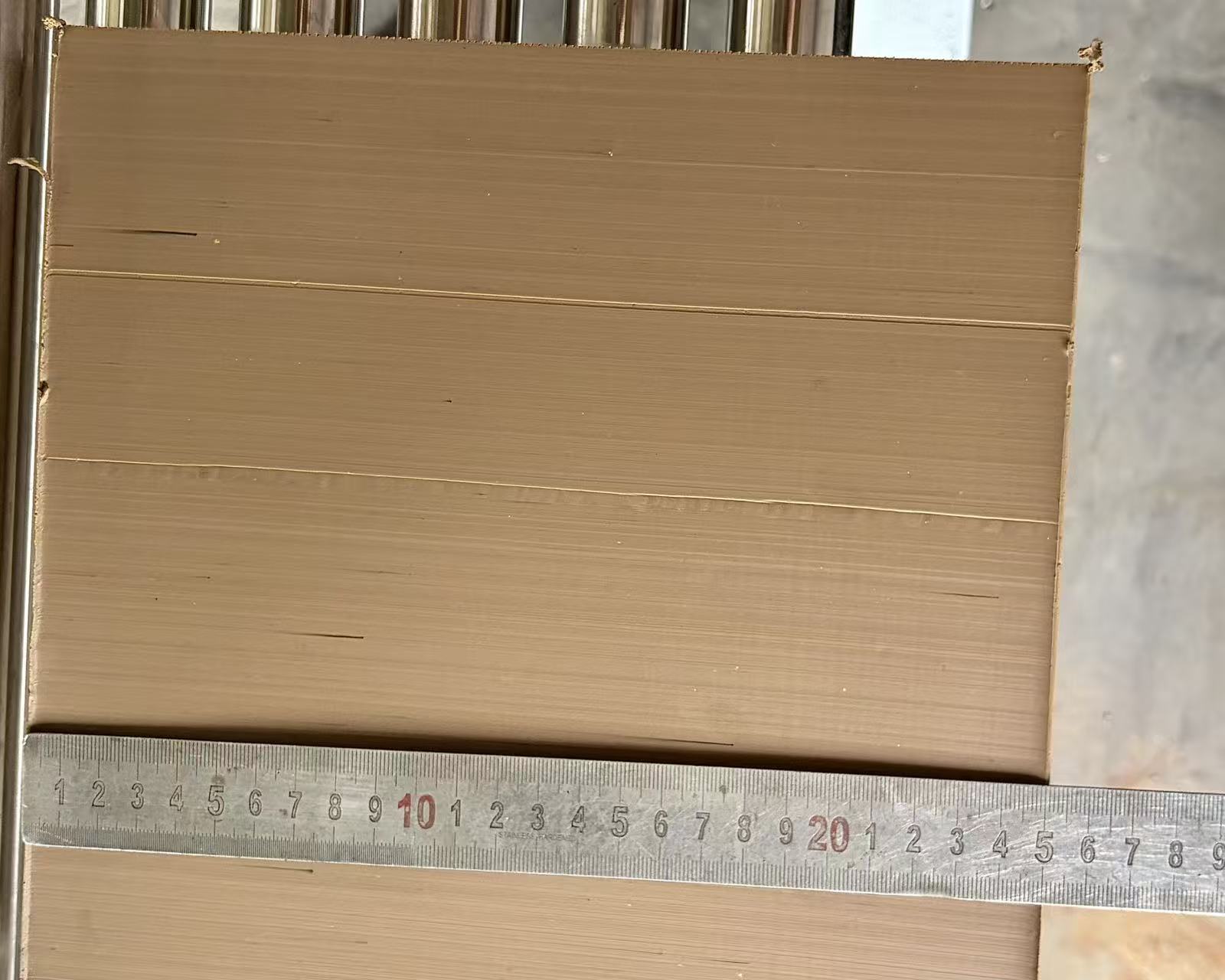
Details
Typical Tolerance Range:
|
Length |
±2 mm |
|
Width |
±2 mm |
|
Height |
±1.5 mm |
There are two key figures to note here:
- Average: After measuring 20 bricks, how much does the average dimension deviate from the standard?
- Range: The difference between the largest and smallest bricks.
If the average value is off, it indicates that the equipment as a whole has not been properly calibrated; if the range is large, it indicates unstable production, with inconsistent dimensions within the same batch of bricks.
If the bricks fail dimensional inspection, where does the problem lie?
- Equipment: Loose steel wires on the wire-cut brick-making machine; worn or dull augers on the extruder
- Process: Pay attention to the drying stage
- Raw Materials: Sudden changes in raw material composition
Visual Inspection
Definition
Observe the surface of the bricks to check for cracks, chips, chipped corners, deformation, peeling, and whether the color is uniform. These issues can be directly observed.
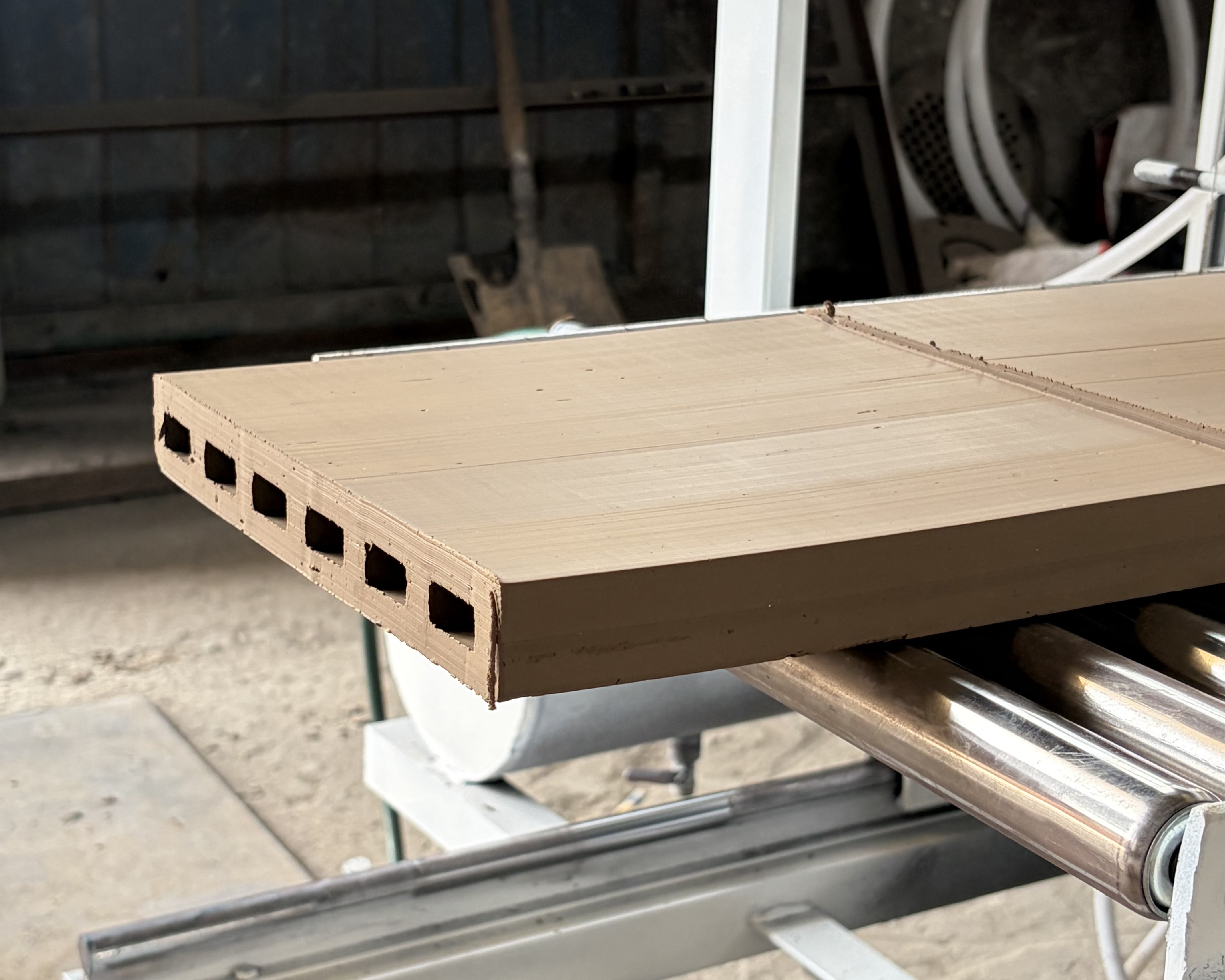
Details
Have workers stand on the production floor to observe the condition of the bricks.
If the bricks fail the visual inspection, where does the problem lie?
- Cracks in bricks: May be caused by excessively high kiln temperature during firing or improper stacking
- Chipped or chipped corners: Improper stacking
- Deformation: Bricks cooled and set too quickly; uneven extruder pressure
- Peeling: Raw materials not mixed thoroughly; insufficient molding pressure
Compressive Strength Test
Definition
Apply pressure to a brick to determine the pressure at which it breaks.
Procedure
Select 5 to 10 bricks and place them in a press; record the pressure value at which the bricks break. Please note that the criteria for evaluation vary depending on the intended use of the bricks. Specific values are shown in the figure below:
|
Strength Grade |
Compressive Strength |
Typical Applications |
|
MU10 |
≥ 10 MPa |
Non-load-bearing walls, infill walls, perimeter walls |
|
MU15 |
≥ 15 MPa |
Multi-story residential buildings, general load-bearing walls |
|
MU20 |
≥ 20 MPa |
Load-bearing walls in high-rise buildings are critical structures |
|
MU25 |
≥ 25 MPa |
High-standard projects, bridges, special structures |
If a brick fails the strength test, what is the cause?
- Raw Materials: Insufficient viscosity of the brick raw materials; raw material particles are too large, preventing tight bonding
- Equipment: Insufficient vacuum in the extruder; extruder pressure is too low, resulting in bricks that are not sufficiently compact
- Process: Insufficient temperature during the firing process or improper brick placement inside the kiln
Water Absorption Test
Definition
A method for measuring the density of bricks. The brick is immersed in water; the less water it absorbs, the less air is trapped inside, and the more solid the brick is.
Procedure
First, dry the brick, weigh it, and record the weight. Then, immerse it in water for 24 hours. Finally, remove it, wipe it dry, and weigh it again to determine the weight of the absorbed water. Calculate the water absorption rate using the following formula:
Water Absorption Rate = (Weight after soaking – Weight after drying) ÷ Weight after drying × 100%
Generally, a water absorption rate above 20% is considered substandard, as it increases the likelihood of quality issues such as freeze-thaw cracking later on.
If the bricks fail the water absorption test, what are the potential causes?
- Raw Materials: Inadequate grinding of raw materials, resulting in large voids between particles; excessive sand content, and insufficient clay in the raw materials
- Equipment: Insufficient vacuum in the extruder, leading to air bubbles within the bricks; insufficient pressure in the extruder
- Process: The firing time was too short, or the temperature was insufficient, resulting in incomplete sintering and the presence of voids in the bricks
Conclusion
The purpose of conducting quality inspections on bricks is not only to ensure the quality of the current batch but also to identify potential issues within your production line through these tests. Only by identifying the root causes can you consistently produce high-quality bricks, bringing long-term benefits to your projects.
Post time: Jul-02-2026